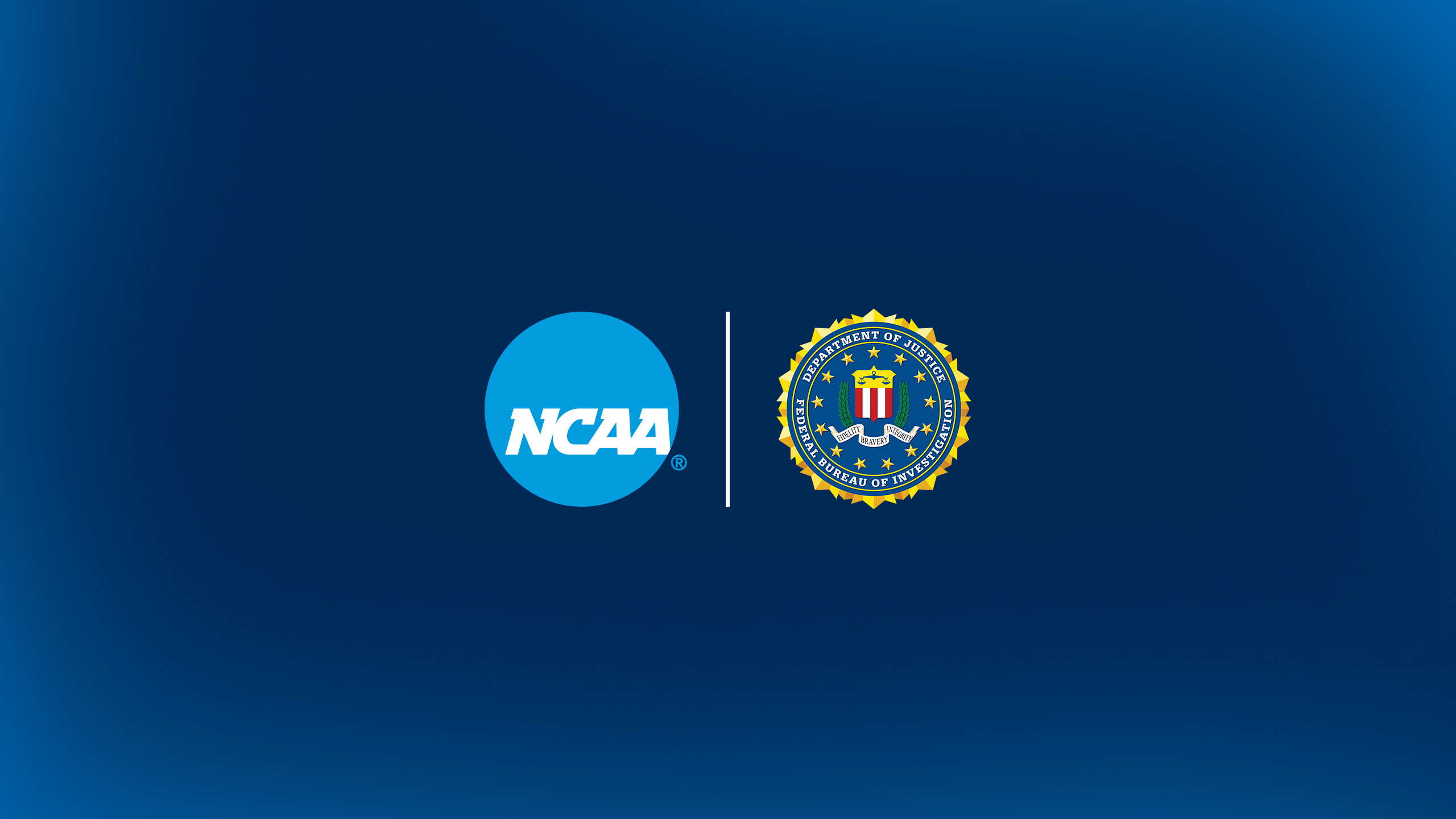
As college athletes become increasingly visible online through social media, NIL opportunities and personal branding, the NCAA and FBI are taking steps to help protect them from online sexual exploitation.
The organizations announced a partnership Monday focused on educating student-athletes about digital safety, protecting private images and recognizing tactics that could put their personal information and accounts at risk.
The effort comes as college athletes have become more prominent targets for online criminals because of their growing social media followings and increased public exposure.
Why College Athletes Are Being Targeted
The expansion of NIL has given student-athletes more opportunities to build personal brands, connect with fans and generate income. However, that increased visibility can also create additional risks.
The FBI says criminals can use tactics including phishing schemes, compromised passwords, fake customer-service accounts and other methods to gain access to personal or social media accounts.
Once private images or information are obtained, victims can potentially face threats, harassment or attempts to extort them.
FBI Assistant Director Shohini Sinha noted that athletes’ large social media followings, combined with their NIL activities, can make them particularly attractive targets for criminals.
NCAA and FBI Focus on Prevention
Rather than waiting until athletes become victims, the partnership is designed to emphasize prevention and education.
Student-athletes will receive information designed to help them recognize suspicious online activity, strengthen their digital security and better understand how private information can be compromised.
The initiative also emphasizes the importance of taking online threats seriously and knowing what steps to take if someone attempts to exploit or threaten an athlete.
NCAA Vice President of Enforcement Jon Duncan said the organization is committed to helping prevent these crimes and supporting athletes who are affected.
NIL Creates New Opportunities — and New Risks
The growth of NIL has fundamentally changed the college sports landscape.
Athletes can now operate social media accounts as business platforms, work with brands and build audiences far beyond their campuses. That increased exposure can be valuable for their careers, but it also means athletes may need to be more proactive about protecting their digital identities.
The NCAA-FBI partnership serves as a reminder that digital security should be part of an athlete’s overall personal-brand strategy.
Using strong, unique passwords, enabling multi-factor authentication, being cautious with unsolicited messages and avoiding suspicious links are among the basic steps athletes can take to protect their accounts.
What Athletes Should Know
The FBI and NCAA’s message is ultimately about awareness.
Athletes should be cautious when someone unexpectedly requests private information, sends suspicious links or claims to represent a social media platform, school or business.
If an athlete believes they have been targeted, saving evidence and reporting the incident rather than complying with threats can be important steps.
The partnership highlights a growing reality in college sports: as athletes’ digital platforms and NIL opportunities continue to grow, protecting their privacy and online identities is becoming just as important as protecting their physical performance.