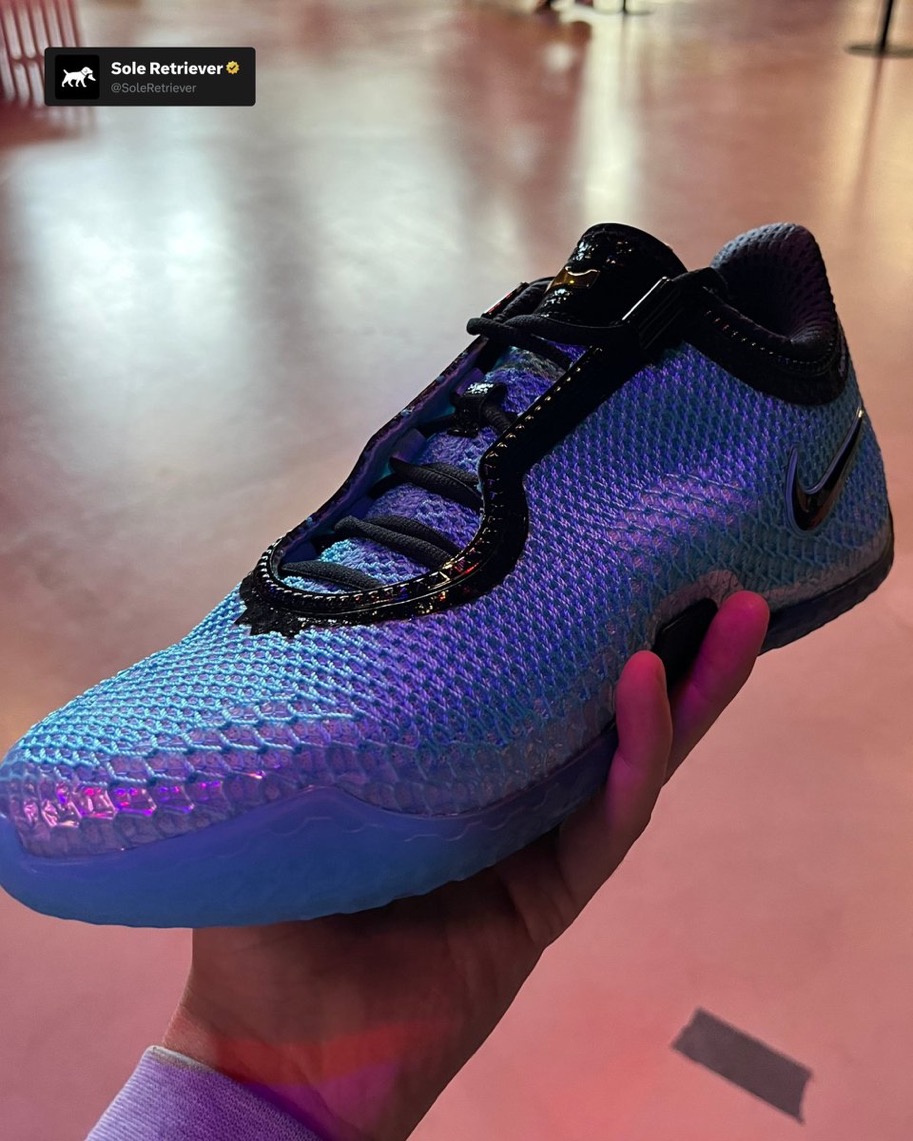
Recent comments from Brian Windhorst have reignited a debate about the state of basketball sneakers. The longtime NBA insider suggested that one reason Nike is struggling to move basketball shoes is because NBA players “aren’t as popular as they used to be.”
It’s a headline-grabbing take—but it only scratches the surface of a much larger shift happening in sneaker culture.
A Convenient Narrative
On its face, the argument makes some sense. The golden era of signature sneakers was driven by transcendent stars like Michael Jordan, whose partnership with Nike didn’t just sell shoes—it built a global cultural movement.
Even in more recent years, players like LeBron James and Kobe Bryant carried signature lines that resonated far beyond the hardwood.
Today’s NBA still boasts elite talent and global stars, including Stephen Curry, Giannis Antetokounmpo, and Luka Dončić. But the cultural grip of signature basketball sneakers isn’t what it once was.
Still, placing the blame solely on player popularity oversimplifies the issue.
The Real Problem: Changing Consumer Behavior
Nike’s current challenges are rooted less in star power and more in how consumers are engaging with sneakers today.
Performance basketball shoes—once the cornerstone of sneaker culture—have taken a backseat to lifestyle and casual wear. Buyers are gravitating toward versatile silhouettes they can wear daily, rather than shoes designed strictly for on-court performance.
In other words, the modern consumer isn’t asking, “What are the best shoes to hoop in?”
They’re asking, “What looks good with everything?”
Oversaturation and Fatigue
Another major factor is volume.
Nike, long known for its ability to generate hype, is now dealing with the consequences of oversaturation. Frequent releases, constant restocks, and an abundance of similar designs have diluted the urgency that once defined sneaker drops.
At one point, missing out on a pair felt like a major loss. Today, consumers often assume another opportunity—or a similar release—is right around the corner.
That shift has significantly cooled demand.
The Decline of the Resale Engine
The resale market also played a critical role in driving sneaker hype throughout the 2010s. Limited availability and skyrocketing aftermarket prices created a sense of exclusivity that fueled demand.
But that engine has slowed.
With resale profits shrinking and supply increasing, the incentive to buy immediately—especially for basketball sneakers—has weakened. Without that urgency, even high-profile signature models struggle to generate consistent sell-through.
It’s Not Just the NBA
Ironically, the idea that basketball itself is declining in influence doesn’t fully hold up.
The NBA remains a global powerhouse, and emerging stars continue to build strong personal brands. Meanwhile, the women’s game is experiencing a surge in popularity, opening new lanes for sneaker growth and storytelling.
The issue isn’t basketball—it’s how basketball products are positioned in today’s market.
A Shift Nike Must Navigate
For Nike, the path forward likely requires more than simply banking on its roster of athletes.
Reconnecting with consumers may mean:
- Blending performance and lifestyle design
- Creating more meaningful scarcity
- Telling deeper, more compelling stories around athletes and products
Because while star power still matters, it no longer guarantees success.
The Bottom Line
Blaming declining basketball shoe sales on less popular NBA players makes for a compelling talking point—but it misses the bigger picture.
Nike isn’t just facing a player popularity problem. It’s navigating a cultural shift in how sneakers are worn, valued, and purchased.
And until that shift is fully addressed, even the biggest names in basketball may not be enough to move the needle.