Memphis Tigers | College Basketball | NIL & Revenue Sharing
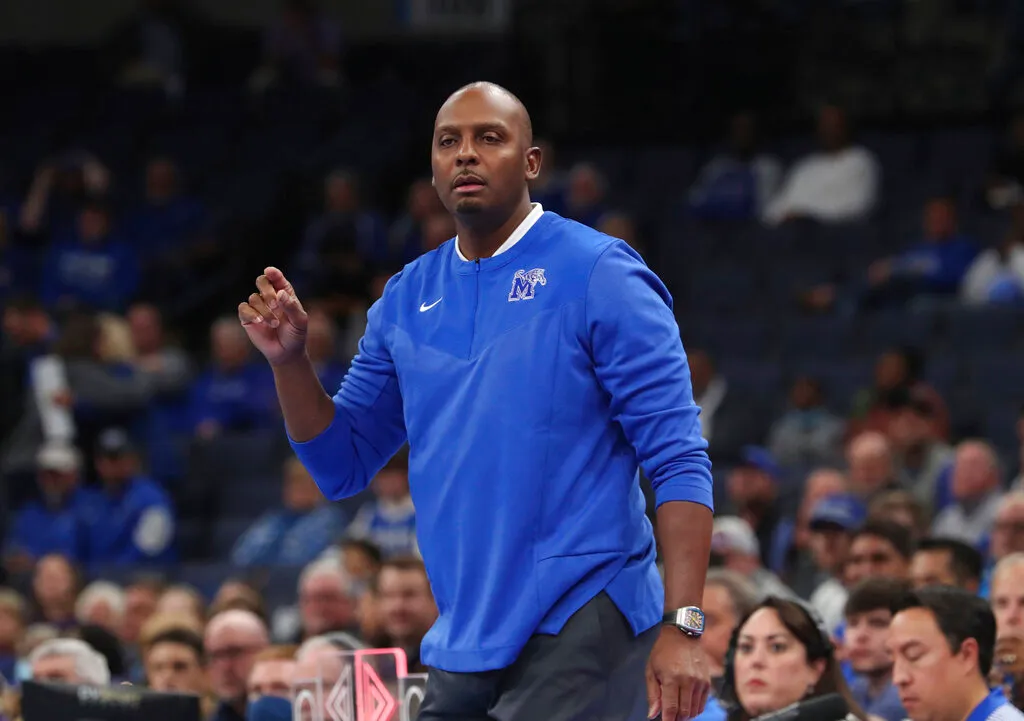
Penny Hardaway is putting his money where his ambitions are.
The University of Memphis head men’s basketball coach reportedly contributed $2.6 million of his own money toward the Tigers’ roster-building budget for the 2026–27 season, according to reporting by The Commercial Appeal’s Jason Munz, as cited by On3 and CBS Sports.
The contribution is part of a reported $9 million revenue-sharing budget for Memphis men’s basketball this season, highlighting the growing financial demands of competing in modern college basketball.
Hardaway discussed the investment Monday at American Conference Media Day in Tampa, Florida, explaining that the program needed additional resources to assemble a roster capable of competing for championships and making a deep NCAA Tournament run.
“We had $5 million, and then I had to put $2.6 million of my own money to try and build the roster up,” Hardaway said, according to reporting from On3 and Zagsblog.
Memphis Basketball’s $9 Million Budget Breakdown
The numbers illustrate the financial commitment behind Memphis’ attempt to rebound from a disappointing season.
| Budget detail | Reported amount |
| Original roster budget cited by Hardaway | $5 million |
| Hardaway’s personal contribution | $2.6 million |
| Total Memphis men’s basketball revenue-sharing budget | $9 million |
| Memphis football revenue-sharing allocation | $7 million |
| Total athletics revenue-sharing allocation | $21.3 million |
Source: On3, CBS Sports and reporting from The Commercial Appeal. Figures refer to the 2026–27 fiscal year and reported revenue-sharing allocations.
The $2.6 million contribution is approximately 29% of Memphis basketball’s reported $9 million revenue-sharing budget.
Memphis athletic director Ed Scott confirmed the university would fully opt into the $21.3 million revenue-sharing allotment for the season. The reported basketball and football figures represent their respective revenue-sharing allocations and do not include additional third-party NIL opportunities.
Why Penny Hardaway Made the Investment
Memphis is coming off a difficult 2025–26 campaign, finishing 13–19 overall and 8–10 in American Conference play. The Tigers missed the NCAA Tournament for the first time since 2024.
For a program with Memphis’ basketball tradition, another season outside the NCAA Tournament would intensify questions about its direction.
Hardaway is entering his ninth season leading his alma mater. Although he previously assembled highly regarded recruiting classes and guided Memphis to multiple NCAA Tournament appearances, the program has struggled to establish consistent postseason success.
The coach believes the financial landscape has changed the recruiting equation.
Before NIL opportunities and direct school revenue-sharing arrangements reshaped college athletics, Memphis could compete for highly rated prospects through its brand, tradition, coaching and development opportunities. Today, financial resources have become another significant factor in roster construction.
Hardaway’s contribution reflects his determination to put together a team capable of competing at the highest level.
His stated ambition is not simply to return to the NCAA Tournament. He wants Memphis to compete for a conference championship and make a run toward the Sweet 16.
Memphis Rebuilds Through the Transfer Portal
The Tigers have made significant roster changes entering the 2026–27 season.
Memphis added nine transfers during the offseason as Hardaway and his staff worked to reshape the roster. The additions include guard Brandin Cummings, who transferred from Pittsburgh, and forward Rihards Vavers, who arrived from Washington State.
The program also landed four-star guard Fred Smith Jr., a highly regarded prospect in the 2026 recruiting class.
With substantial roster turnover and increased financial investment, Memphis is betting that its new group can produce better results than last season’s team.
The challenge now is turning that investment into wins against a demanding schedule and the competition within the American Conference.
The Bigger Story: College Basketball’s New Financial Reality
Hardaway’s reported $2.6 million contribution is another example of how the economics of college sports continue to evolve.
Revenue sharing, NIL opportunities and transfer-portal recruiting have changed how programs compete for talent. Coaches and athletic departments must increasingly consider the financial resources required to retain players, attract transfers and assemble competitive rosters.
Memphis isn’t the only program confronting these pressures. Other coaches have also discussed making financial sacrifices or redirecting compensation to help their teams compete.
Hardaway’s situation, however, stands out because of the reported size of his personal contribution.
The investment also raises an important question: How much financial responsibility should a head coach assume to build a winning program?
For Memphis fans, the immediate concern is whether the spending will translate into a return to national relevance.
Will the Investment Pay Off?
The Tigers have made their financial commitment. Now comes the harder part: delivering on the court.
A larger roster budget can help a program recruit talent, but money alone does not guarantee chemistry, player development, defensive consistency or postseason success.
Hardaway and Memphis will be judged by the results. The program’s offseason overhaul has created expectations, and the Tigers will need to demonstrate that the additional investment can move them closer to their championship goals.
What do you think?
Is Penny Hardaway’s reported $2.6 million contribution a sign of extraordinary commitment to Memphis basketball, or does it show how expensive it has become to compete in college sports?
Drop your thoughts in the comments and join the conversation with Sneaker Shop Talk.