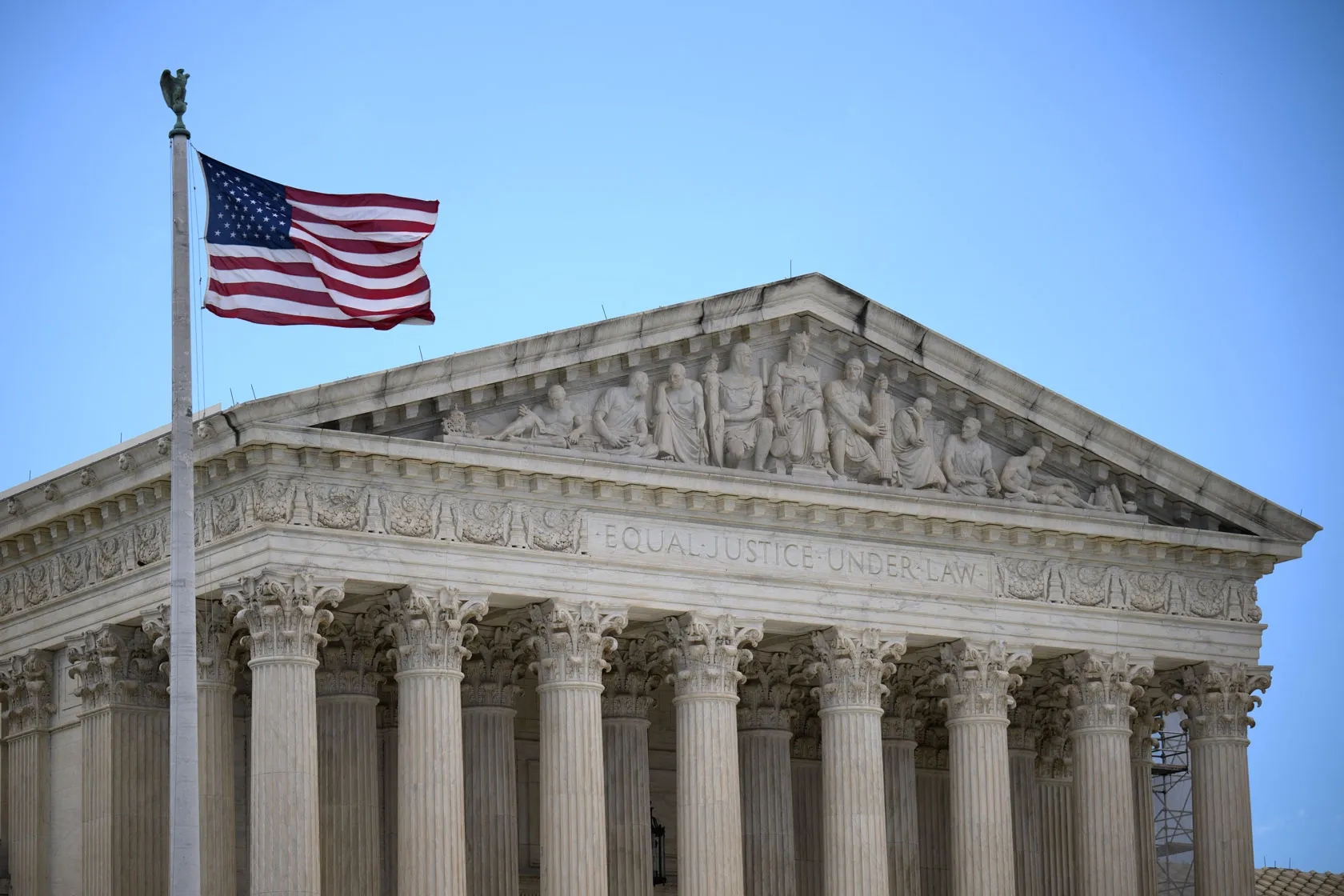
The U.S. Supreme Court issued one of the most consequential sports rulings in recent history on Tuesday, upholding state laws in Idaho and West Virginia that restrict participation in girls’ and women’s school sports based on biological sex.
The decision is expected to influence high school and collegiate athletics across the country, affirming similar laws already enacted in more than two dozen states while shaping the ongoing national conversation surrounding competitive fairness, inclusion, and the role of athletic governing bodies.
Although the case centered on two state laws, its impact extends far beyond those borders. Athletic associations, school districts, colleges, and universities will now be evaluating how the ruling affects eligibility policies and future participation rules.
A Landmark Decision for School Athletics
The Court’s ruling affirms that the Idaho and West Virginia laws do not violate Title IX or the Equal Protection Clause under the majority’s interpretation, allowing both states to continue enforcing their restrictions on participation in girls’ and women’s sports.
Supporters of the decision argue it preserves competitive equity and protects opportunities for female athletes. They contend that biological differences can create athletic advantages that are particularly significant in competitive sports, making sex-based participation rules necessary to ensure fairness.
Opponents, however, argue the ruling excludes transgender students from school athletics and represents a setback for transgender rights. Civil rights organizations have expressed concern that the decision could limit opportunities for transgender athletes to participate alongside their peers.
Why the Decision Matters
While the legal battle focused on state law, the broader implications reach nearly every level of amateur athletics.
High school athletic associations may revisit eligibility policies to ensure compliance with state law. Colleges and universities operating in states with similar legislation will continue evaluating how institutional policies intersect with state requirements and governing body regulations.
For athletic administrators, the decision provides additional legal clarity in states with existing restrictions while leaving open questions about how policies may evolve elsewhere.
The ruling also arrives at a time when participation policies have become one of the most debated issues in sports governance, extending well beyond the courtroom into legislative chambers, school board meetings, and athletic conferences.
The NCAA and the Road Ahead
The decision is also likely to influence future discussions involving the NCAA and other governing organizations responsible for overseeing competitive athletics.
Although the ruling does not automatically require nationwide policy changes, it may affect how governing bodies evaluate eligibility standards moving forward. Schools in states with differing laws could continue navigating a patchwork of regulations until broader national standards emerge or additional legal challenges are resolved.
Legal experts expect future cases involving Title IX, athletic eligibility, and equal protection to continue reaching federal courts, particularly as additional states adopt or revise legislation addressing transgender participation in sports.
A Defining Moment in Sports Governance
The Supreme Court’s decision represents more than a legal ruling—it marks a pivotal moment in the evolving relationship between sports, public policy, and civil rights.
As athletic organizations, schools, and lawmakers respond, the conversation surrounding fairness, inclusion, and competitive opportunity is unlikely to end with this decision.
Instead, Tuesday’s ruling establishes a new legal framework that will shape discussions across high school and collegiate athletics for years to come, making it one of the most significant sports governance decisions of the decade.