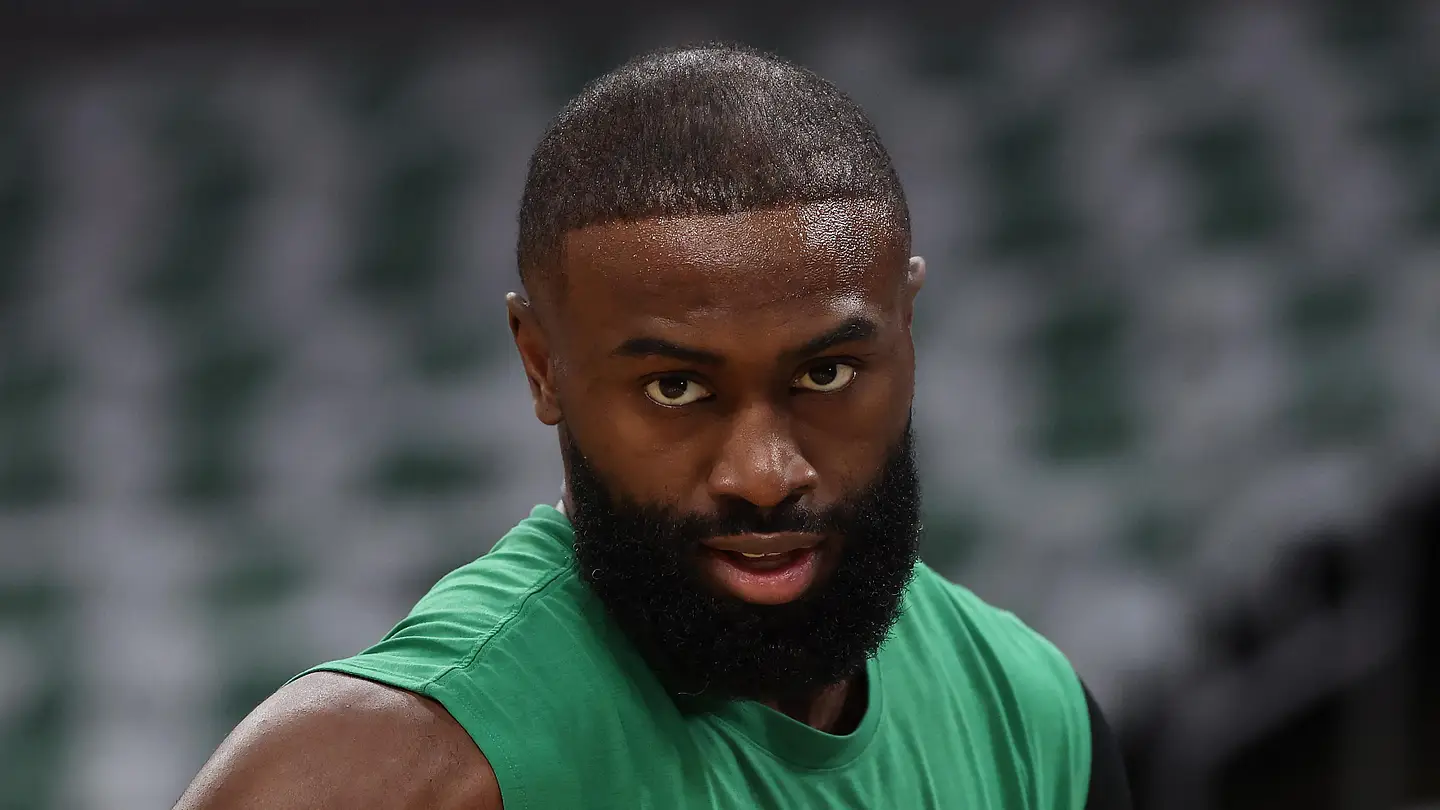
Boston Celtics star Jaylen Brown is once again challenging the traditional business model of professional sports, arguing that NBA players should have the opportunity to own equity in the franchises they help make more valuable.
Speaking about wealth creation and long-term financial opportunities for athletes, Brown questioned why players are excluded from ownership despite being the driving force behind the league’s growth.
“Players should be able to invest alongside ownership groups and business opportunities. I don’t understand why that’s ever been a thing,” Brown said. “It’s like you’re an athlete and they make it seem like they can control how much wealth or growth that you could actually accumulate. I think that’s wrong.”
Brown believes the current system limits players to earning salaries while preventing them from sharing in the long-term appreciation of the franchises they elevate through their performances and marketability.
To illustrate his point, Brown compared NBA players to executives at major corporations.
“I also think that any other major corporation, if you work for Apple, Nike or anywhere, if you’re a CEO, if you’re someone who has been on a board for a large amount of time, you get equity in a company at some point. You are part of it.”
Brown argues athletes should receive similar treatment, especially those who spend years helping build a franchise’s brand and financial success.
“I think athletes should be looked at in the same way. You played for the Celtics for 20 years, you should get a piece of equity because you helped accumulate the growth. That’s the part that gets lost in translation. The sweat equity you put in. You get compensated for doing your job, but you don’t get compensated for the growth. At major corporations and companies you do, or at least some of the big ones.”
The comments continue Brown’s growing public criticism of the traditional NBA business structure. Earlier this week, he questioned the role of player agents, revealed he entered the NBA Draft without one, and argued that many former players struggle financially because the current system does not adequately prioritize long-term wealth creation.
Brown’s latest remarks are likely to spark debate across the league, particularly as franchise valuations continue to soar into the billions of dollars. While NBA rules currently prohibit active players from owning equity in the teams for which they play due to conflict-of-interest concerns, Brown’s comments raise a broader question: Should the athletes responsible for creating much of that value have a pathway to share in it beyond their playing contracts?