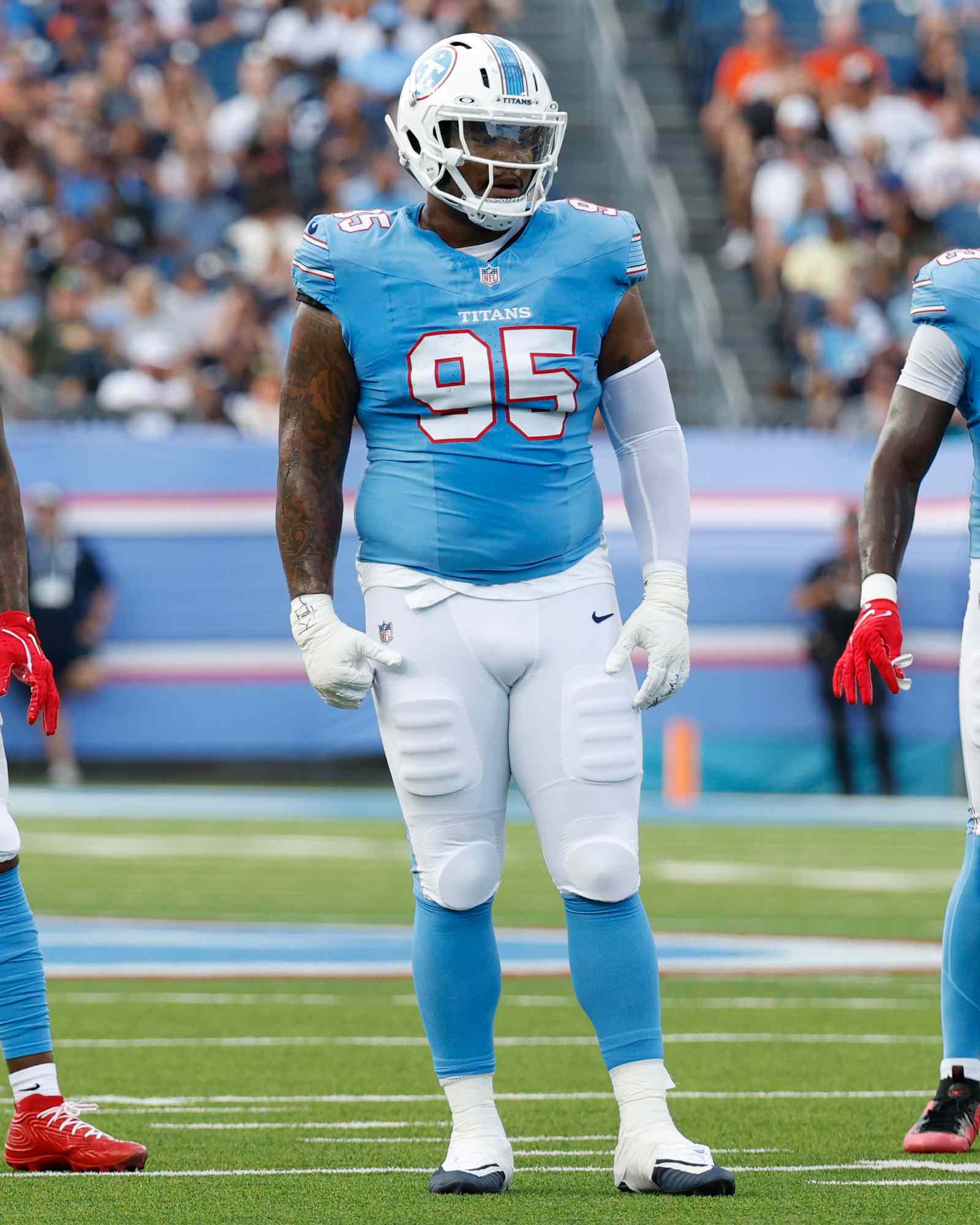
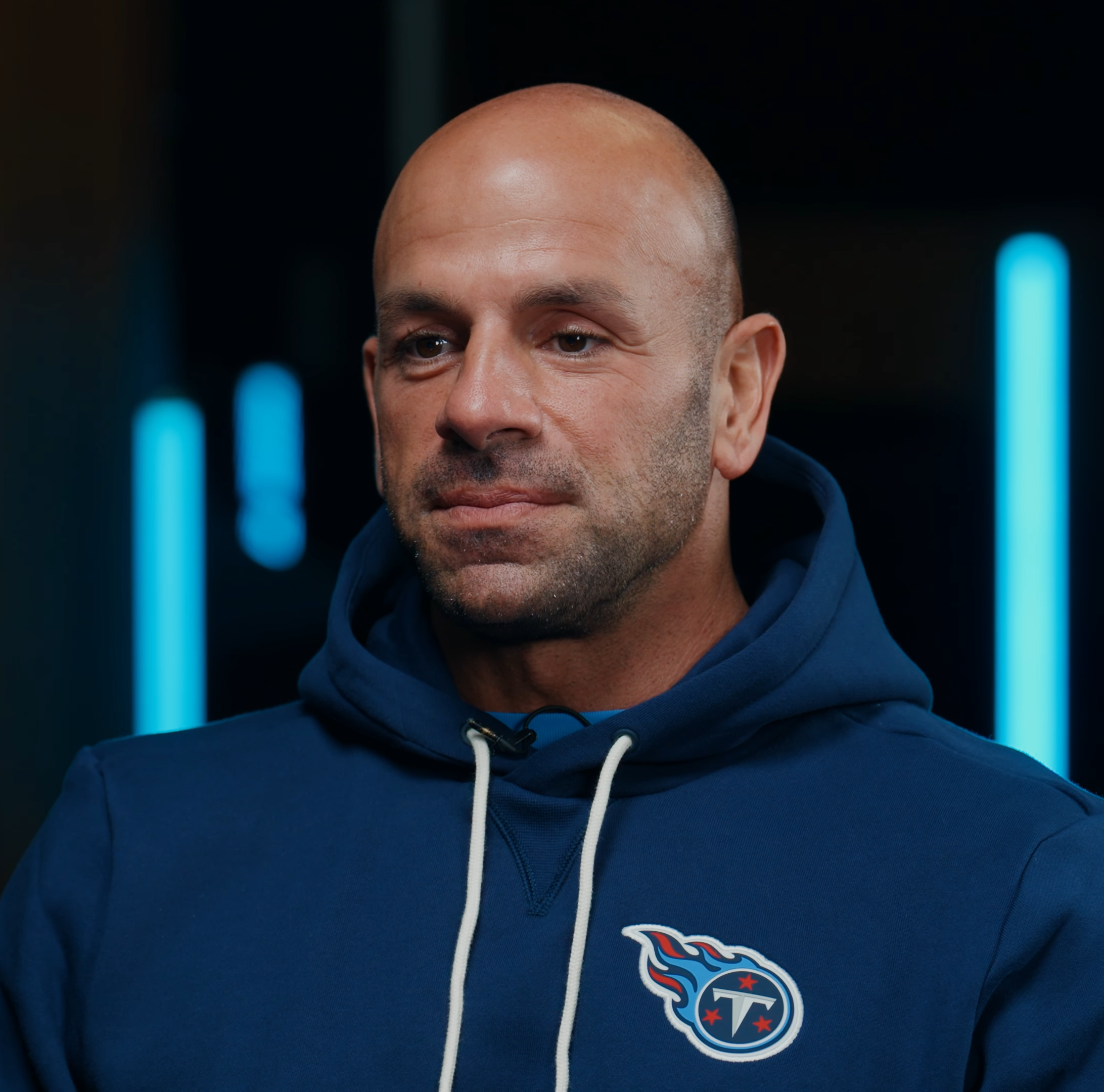
Tennessee Titans head coach Robert Saleh is making it clear that Jordan Elliott’s NFL career should not necessarily end with his release from the team.
During his Wednesday press conference, Saleh addressed the incident that led Tennessee to release the veteran defensive tackle, offering a message of accountability, concern and support for a player he believes deserves another opportunity.
“My message to 31 other teams: If you need a hell of a run-stopping D-tackle that can help on a playoff run, give me a call. I’ll tell you everything you need to know about him,” Saleh said.
“He’s a good man. Had a terrible lapse in judgment. I recognize it as a call for help. Not a criminal act.”
Saleh’s comments came one day after the Titans announced Elliott’s release following an internal review of an incident at the team facility on Thursday, October 15. The team declined to provide further details in its official statement.
What Happened With Jordan Elliott?
Reports published Tuesday and Wednesday detailed the circumstances surrounding Elliott’s departure from Tennessee.
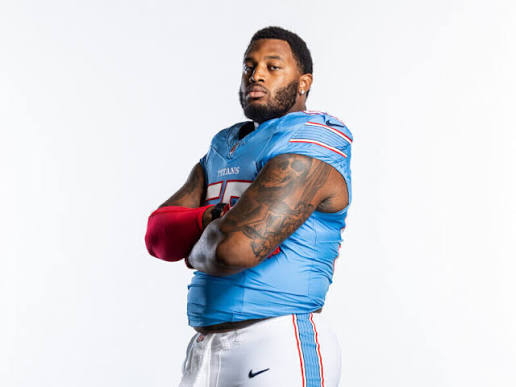
According to reporting from A to Z Sports and other outlets, Elliott had an altercation with Titans offensive tackle J.C. Latham during practice. The confrontation reportedly continued after practice, and Elliott went to his vehicle to retrieve a firearm.
Veteran defensive lineman John Franklin-Myers reportedly helped de-escalate the situation before anyone was hurt.
The reported incident prompted the Titans to part ways with Elliott after reviewing what happened. The team has not publicly confirmed the specific details in its brief release statement.
The seriousness of those reports makes Saleh’s response particularly notable. The coach did not dismiss the situation or suggest that Elliott should face no consequences. Instead, he acknowledged a lapse in judgment while expressing concern for the player and his future.
Saleh Says the NFL Must Look Beyond the Immediate Incident
Saleh also discussed the importance of understanding what might have contributed to Elliott’s actions rather than responding only with punishment.
The coach described the situation as a potential call for help, while cautioning against making assumptions about Elliott’s mental health.
Saleh said the organization and the NFL worked to get Elliott connected with clinicians who could help him navigate whatever he was experiencing.
He also praised Franklin-Myers for stepping in to help de-escalate the situation.
The distinction matters: Saleh is not suggesting the incident should be ignored. He is arguing that accountability and support can exist together, particularly when a player may be struggling with issues beyond football.
Why Robert Saleh Is Willing to Recommend Elliott
Elliott joined the Titans in March 2026 on a two-year contract worth up to $8 million after spending the previous two seasons with the San Francisco 49ers, where he played under Saleh.
The Cleveland Browns originally selected Elliott in the third round of the 2020 NFL Draft. Before his release, he had appeared in Tennessee’s first five games of the 2026 season, recording 11 tackles.
Across his NFL career, Elliott has played for Cleveland, San Francisco and Tennessee, accumulating 65 starts in 102 regular-season appearances.
Saleh’s public endorsement could be meaningful if another team evaluates Elliott as a potential addition. A head coach willing to discuss a former player’s character and football ability openly provides prospective employers with a reference as they consider their options.
However, any future opportunity would depend on a team’s evaluation of the reported incident, its policies and the circumstances surrounding Elliott’s departure.
Can Jordan Elliott Get a Second Chance in the NFL?
That is the central question following Saleh’s comments.
The reported circumstances are serious, and the fact that no one was hurt does not erase the potential danger involved. NFL organizations have a responsibility to protect players, coaches, employees and everyone else at their facilities.
At the same time, Saleh is asking teams to consider the person behind the incident and whether a path forward is possible.
His position presents a broader question for professional sports: How should teams balance workplace safety and accountability with the possibility of rehabilitation?
There is no requirement that another team sign Elliott, and a second chance would not mean pretending the incident never happened. It would mean evaluating whether he can take responsibility, address the circumstances that led to the situation and meet the standards expected of an NFL player.
Saleh has made his position clear. He believes Elliott remains a good person despite what he described as a terrible lapse in judgment, and he is willing to recommend him to other teams.
Whether another organization agrees remains to be seen.
What do you think? Should an NFL team give Jordan Elliott another opportunity, or are the reported circumstances too serious to overlook? Join the conversation in the comments.