The NBA is testing a sensor-equipped Wilson basketball that could help officials make more accurate calls, but questions remain about transparency, reliability and the future role of technology in the game.
The NBA could be preparing for another major technological change, and this time, the innovation is inside the basketball itself.
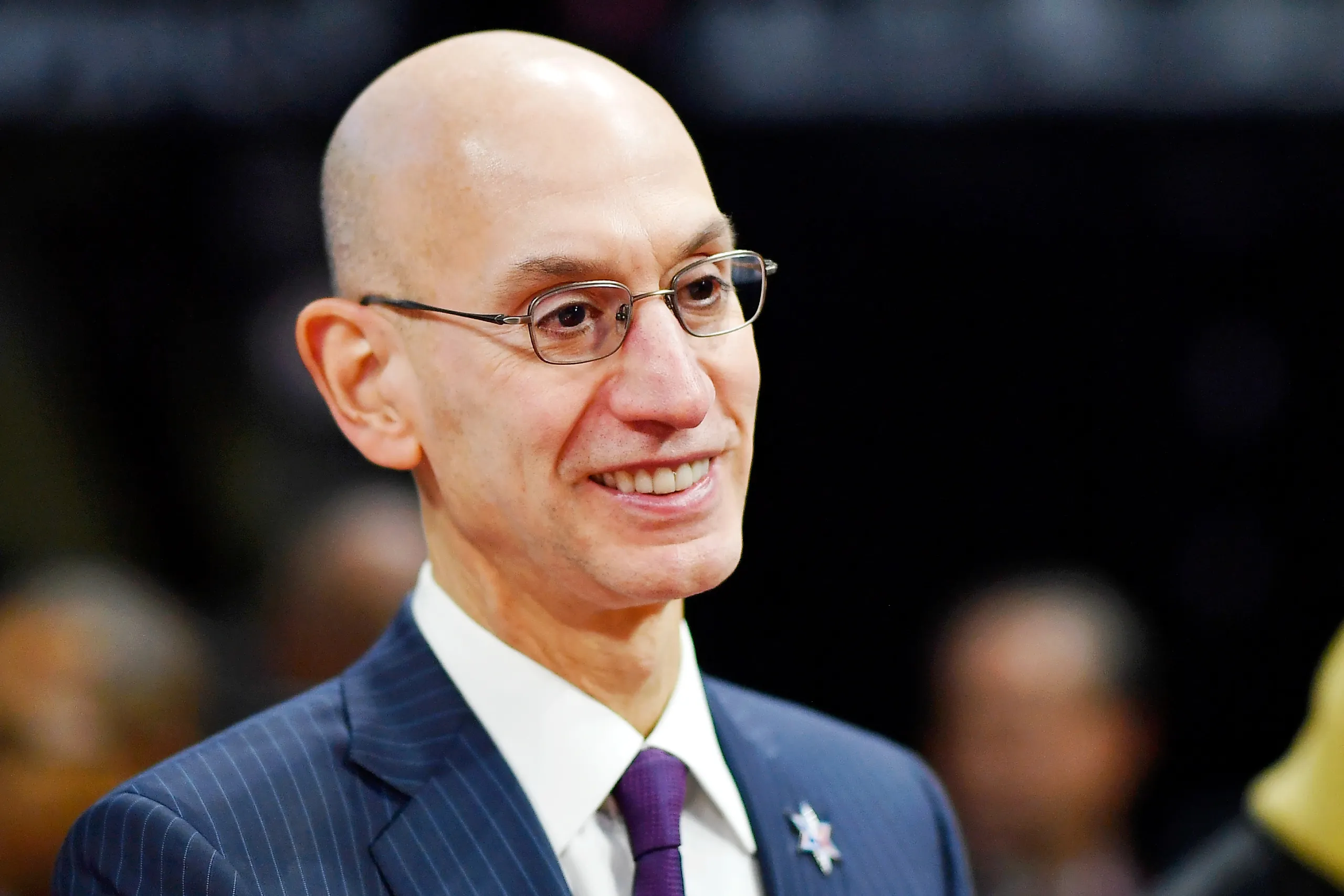
NBA Commissioner Adam Silver says the league is exploring a new “smart ball” developed in partnership with Wilson that could be used in NBA games as soon as 2027. The basketball features a tiny Bluetooth sensor designed to track movement, spin and changes in trajectory, potentially providing officials with additional information when reviewing close plays.
The technology could help address some of basketball’s most difficult officiating decisions. However, its potential introduction also raises important questions about accuracy, accountability and how much technology should influence the outcome of a game.
For the NBA, the challenge will be finding the right balance between improving officiating and preserving the human element that remains central to basketball.
What Is the NBA’s Smart Basketball?
The smart basketball is a Wilson-developed game ball containing a small sensor weighing approximately one gram, according to reports on Silver’s comments.
The sensor is designed to collect information about the ball’s movement and behavior during play. That data could eventually help officials evaluate situations in which traditional camera angles and instant replay may not provide a definitive answer.
Silver has discussed how changes in the ball’s spin could help identify whether a player made contact with it before it went out of bounds. Changes in a shot’s trajectory could also provide useful information when evaluating certain goaltending situations.
The NBA has already experimented with the technology in the G League, Summer League and select preseason settings.
During preseason testing, however, the league has emphasized that the sensor data is being collected for research purposes only. It is not being used to influence officiating decisions in those games.
The distinction is important: the NBA is testing the technology, but its eventual role in official game decisions remains a separate question.
How Could Smart Basketballs Change NBA Officiating?
The technology could be particularly useful in situations where a small change in the ball’s movement might reveal what happened during a play.
Potential applications include:
- Out-of-bounds calls: Sensor data could help determine whether a player touched the ball before it crossed the boundary.
- Goaltending decisions: Changes in the ball’s trajectory could provide additional evidence when evaluating certain plays near the basket.
- Close-contact situations: Movement and spin data could offer another source of information when officials review disputed plays.
These are potential applications, not a guarantee that the technology will be able to resolve every disputed call.
A sensor also cannot automatically determine every rule-based question. Even if the data establishes that contact occurred, officials may still need to interpret the applicable rule and the circumstances of the play.
That distinction matters because better information does not necessarily eliminate disagreements over how the rules should be applied.
Why I Have Concerns About the NBA’s Smart Ball
Technology can improve sports, but introducing new technology should not mean accepting every proposed application without scrutiny.
The smart ball could help officials make better-informed decisions. Still, there are several questions the NBA should address before giving the system a role in regular-season or playoff officiating.
1. How Reliable Will the Technology Be?
The first question is whether the sensor can consistently produce accurate, useful data in the unpredictable environment of an NBA game.
Basketball involves rapid changes of direction, deflections, collisions and repeated contact with the ball. Before relying on sensor readings for consequential decisions, the league needs to establish how accurately the system can distinguish meaningful events from ordinary movement.
The NBA should also explain what happens if the sensor produces incomplete, conflicting or inconclusive information.
A technology intended to reduce officiating mistakes should not create a new source of uncertainty.
2. Will Fans Understand How Decisions Are Made?
Transparency is another major concern.
Imagine a close out-of-bounds call in the final seconds of a playoff game. If officials use smart-ball data to support their decision, will viewers be able to see the relevant evidence and understand the explanation?
The NBA does not necessarily need to reveal every technical detail of its system. However, fans should have a clear understanding of when sensor data can be used, what it can establish and how officials reach their final decisions.
Without that transparency, the technology could make controversial calls even harder for fans to evaluate.
3. Where Does Human Judgment Fit In?
There is a meaningful difference between using technology to establish an objective fact and using it to make a subjective officiating judgment.
Determining whether the ball crossed a boundary is different from deciding whether contact constituted a foul.
The smart ball could be valuable for questions involving measurable movement and contact. But the NBA should be careful not to blur the line between providing evidence to officials and replacing their judgment.
Technology should assist referees where it can offer reliable information, not automatically become the final authority on every disputed play.
4. Could It Create More Interruptions?
One of the biggest frustrations for basketball fans is the time spent waiting for replay reviews.
If smart-ball data can resolve certain decisions quickly, it could help the NBA improve the pace of games. But if the technology introduces additional review procedures, disputed sensor readings or lengthy explanations, the opposite could happen.
The league should establish clear guidelines for when the data can be consulted and how quickly decisions must be made.
Getting calls right is important, but so is keeping the game moving.
5. What Happens in a Critical Playoff Moment?
The stakes become even higher during the NBA Playoffs.
A disputed call in a regular-season game can be frustrating. A similar decision in the closing seconds of a conference finals or NBA Finals game can become a defining moment of the season.
Before adopting the smart ball for consequential officiating decisions, the league should have clear procedures for equipment failures, inconclusive data and disagreements between sensor information and video evidence.
There should always be a dependable process for making a ruling when technology cannot provide a definitive answer.
Is the NBA Smart Ball a Good Idea?
There is a legitimate argument in favor of the technology.
If the smart ball can help officials resolve close out-of-bounds decisions or other measurable events more accurately, it could reduce preventable mistakes. That would be a positive development for players, teams and fans.
But the NBA should not treat technological innovation as an automatic solution to every officiating problem.
The league needs to demonstrate that the system is reliable, explain how its information will be used and establish safeguards against technical failures. It should also be clear about which decisions remain the responsibility of human officials.
As of October 12, 2026, the NBA’s preseason smart-ball data collection is for research purposes only, and a regular-season launch date has not been confirmed.
Silver’s suggestion that the technology could reach NBA games as soon as 2027 makes this a development worth watching, but the timeline and implementation details remain subject to change.
The Bottom Line
The NBA smart ball could represent an important step forward in sports technology. It may give officials access to information that traditional replay systems cannot easily provide, potentially improving the accuracy of certain calls.
Still, I believe the league must answer some important questions before moving forward.
How reliable will the data be? Will fans understand the reasoning behind decisions? And will the technology remain a tool for officials rather than gradually taking over their judgment?
Technology should help protect the integrity of basketball, not create another layer of controversy.
If the NBA gets this right, the smart ball could become a valuable officiating tool. If it fails to establish clear boundaries and transparent procedures, the technology could generate as many questions as it answers.
What do you think? Should the NBA embrace smart basketball technology, or should the league be cautious about bringing sensors into officiating decisions? Join the conversation with Sneaker Shop Talk.