Nike is one of the most recognizable brands on the planet, but its stock is currently telling a much different story.
Shares of Nike are down roughly 38%–39% in 2026, putting the company on track for its worst calendar-year performance in more than three decades. The comparison is striking: Nike hasn’t been on pace for a year this bad since 1993, the same year Michael Jordan first retired from basketball.
And this isn’t simply a Wall Street problem.
Nike is dealing with a much broader challenge involving product demand, consumer preferences, wholesale relationships, digital sales, international markets and the company’s ability to create the next wave of must-have sneakers.
The Numbers Are Getting Hard to Ignore
Nike’s fiscal 2026 revenue came in at $46.4 billion, essentially flat from the previous year on a reported basis and down 2% on a currency-neutral basis.
The fourth quarter was even more revealing.
Nike reported quarterly revenue of approximately $11 billion, down 1% year over year. NIKE Direct revenue fell 7%, including a 12% decline in Nike Brand Digital.
Wholesale, meanwhile, actually showed signs of improvement.
Nike’s fourth-quarter wholesale revenue increased 4% on a reported basis and 1% on a currency-neutral basis.
That contrast matters.
After years of pushing consumers toward its own digital channels and stores, Nike is now seeing its wholesale business provide some of the healthier signals while its direct business remains under pressure.
China Remains a Major Problem
One of Nike’s biggest challenges continues to be Greater China.
Nike Brand revenue in Greater China fell 12% on a currency-neutral basis during the fourth quarter, with footwear down even more sharply. The region has become one of the company’s most persistent sources of weakness.
China is particularly important because Nike spent years building the market into one of its biggest international growth engines.
Now, changing consumer preferences, competition from domestic brands and Nike’s own distribution challenges have turned China into a major obstacle for the company’s turnaround.
The Sneaker Problem
For sneakerheads, this is where the story gets particularly interesting.
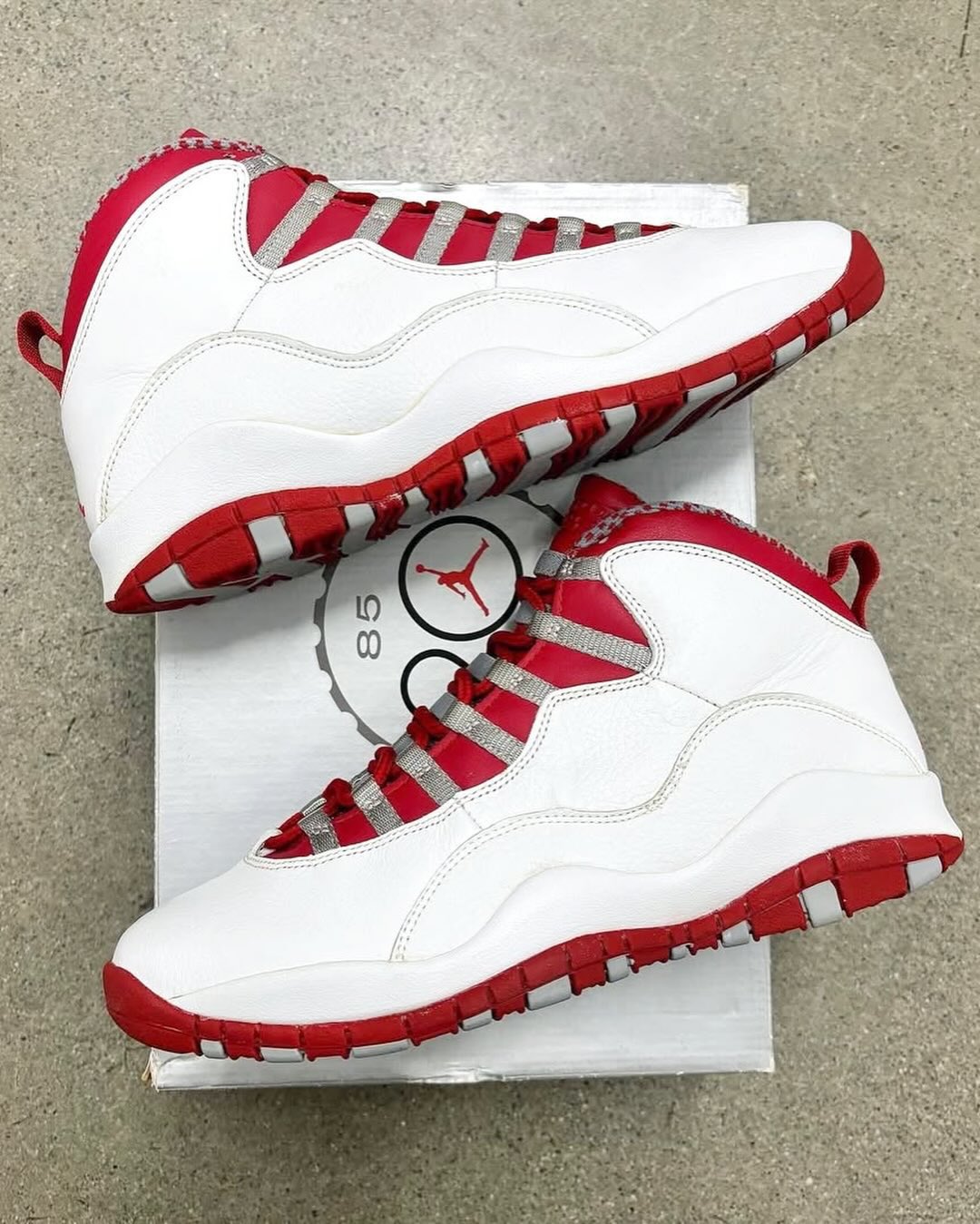
Nike built an enormous business around products that could create cultural moments — Air Jordans, Dunks, Air Force 1s, Air Max, Kobe, LeBron and countless other franchises.
But simply having a legendary back catalog isn’t enough anymore.
The sneaker market has changed.
Consumers have more choices than ever, and brands such as On and Hoka have continued gaining attention in performance footwear. At the same time, traditional retro and lifestyle sneakers have faced softer demand.
Recent results from Dick’s Sporting Goods offered another warning sign for the industry.
Dick’s reported weaker-than-expected results and pointed toward sluggish demand for legacy footwear and heavier discounting. Nike, Adidas, On and other footwear companies were among the brands affected by the broader selloff.
That creates a difficult environment for Nike.
The company has to convince consumers that its products are worth buying at full price while simultaneously clearing older inventory and rebuilding excitement around newer performance products.
Nike Is Trying to Reset
CEO Elliott Hill returned to Nike with a major challenge: restore momentum to a company that had lost some of its edge.
Nike says it made significant structural changes during fiscal 2026, including changes to its product portfolio, marketplace strategy and operating structure.
Hill has emphasized a renewed focus on sport and performance — essentially trying to make Nike feel like Nike again.
There are signs that some pieces of the strategy are working.
Nike’s North American business showed growth, while wholesale sales improved during the fourth quarter. The company also said it is seeing progress in performance products.
But Wall Street wants more than signs of progress.
It wants results.
Jordan Brand Isn’t Immune
Perhaps the biggest psychological issue for Nike is that even its most powerful franchises aren’t completely insulated from the changing market.
Jordan Brand remains one of the most valuable names in sneakers, but consumers have become increasingly selective.
The days when every major Air Jordan retro automatically created enormous demand appear to be gone.
Recent industry data and retailer commentary suggest that shoppers aren’t simply buying every retro release because of the Jumpman logo.
That doesn’t mean Jordan Brand is finished.
Far from it.
But it does mean Nike has to be much more strategic about what releases, how often it releases it and why consumers should care.
The Direct-to-Consumer Gamble
Nike’s Direct business was once viewed as one of the company’s biggest growth opportunities.
Now, it’s one of the areas management is trying to repair.
Fiscal 2026 NIKE Direct revenue declined 6%, while Nike Brand Digital revenue fell 12%. (Nike Investor Relations)
That is significant because Nike spent years aggressively expanding its own digital ecosystem.
If consumers aren’t purchasing through Nike’s platforms at the expected rate, the company has to rethink how it balances Nike.com, its stores and third-party retailers.
And that appears to be happening.
Nike’s improving wholesale performance suggests the company may be recognizing that consumers still want to shop for sneakers where they traditionally have — including major sporting-goods and footwear retailers.
The Road Ahead
Nike’s current situation isn’t necessarily a death sentence.
The company still possesses something most competitors would love to have: global brand recognition, enormous athlete relationships, iconic franchises and a massive consumer base.
But those advantages don’t automatically translate into growth.
Nike needs new products.
It needs performance footwear that can compete with the hottest brands in the market.
It needs to make its classic franchises feel desirable again without oversaturating the market.
It needs to fix China.
It needs to rebuild its digital business.
And perhaps most importantly, it needs to convince consumers that the Swoosh represents what’s next — not simply what’s already been done.
1993 vs. 2026
The Michael Jordan comparison makes the current situation especially striking.
In 1993, Jordan stepped away from basketball at the height of his fame.
Nike survived that moment and ultimately became an even bigger global powerhouse.
More than 30 years later, Nike is facing another major inflection point.
But this time, Michael Jordan isn’t the problem.
The challenge is figuring out what comes after the era of relying so heavily on the franchises that helped build Nike into a sneaker empire.
Nike doesn’t need another Michael Jordan.
It needs the next generation of products, athletes and cultural moments capable of producing that same level of excitement.
Because right now, Wall Street isn’t waiting for another retro.
It’s waiting for proof that the Swoosh can still create the future.
Nike’s 2026 has been brutal. The bigger question is whether 2027 becomes the beginning of the comeback — or another chapter of the decline.