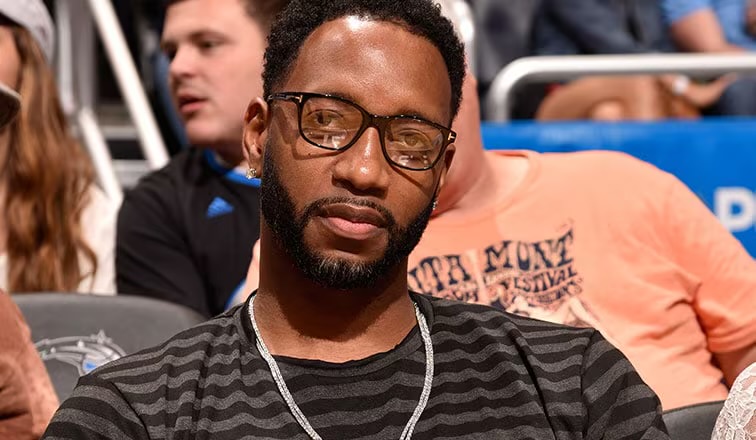
For years, NBA Summer League has served as one of the highlights of the offseason, giving fans their first opportunity to watch the league’s newest stars compete. But according to Hall of Famer Tracy McGrady, the annual showcase has lost much of the excitement that once made it a must-watch event.
During an appearance on the Vince & T-Mac Show, McGrady didn’t hold back when discussing the current state of Summer League.
“They’re killing Summer League—it’s slowly dying. It was a lot of excitement about watching these draftees… now it’s like you don’t even know when they’re gonna play.”
McGrady’s criticism centers on a growing trend around the league: teams limiting the participation of their highest-profile rookies. Instead of playing throughout the event, many lottery selections now appear in only a handful of games—or are shut down entirely after brief outings once teams feel they’ve seen enough.
That trend has been evident again this summer. Several of the 2026 NBA Draft’s biggest names, including Cooper Flagg, Dylan Harper, and Ace Bailey, either had their playing time carefully managed or saw their Summer League schedules shortened after limited appearances. While organizations view the approach as a way to protect valuable long-term investments, it has left many fans frustrated by the uncertainty surrounding when the event’s biggest attractions will actually take the court.
From the teams’ perspective, the strategy makes sense. Once a rookie has shown flashes of his talent and adaptability, exposing him to additional injury risk in exhibition games offers little competitive benefit. Development can continue through training camp and preseason, where coaches have greater control over workload and competition.
Still, McGrady believes that philosophy comes at the expense of the fan experience. Summer League has traditionally been about giving basketball fans an extended look at the NBA’s future stars. When marquee rookies play only once or twice before being sidelined, the event inevitably loses some of the anticipation that once surrounded it.
Whether McGrady is right or simply nostalgic for an earlier era, his comments have sparked a conversation many fans have already been having. As teams continue to prioritize player health and long-term development, the NBA may eventually have to decide whether preserving its young stars is worth sacrificing some of Summer League’s entertainment value.
Do you agree with Tracy McGrady? Has NBA Summer League lost its excitement, or are teams making the right decision by protecting their top draft picks?