College athletics could be approaching another major turning point, and the University of Tennessee is giving the sports world a potential preview.
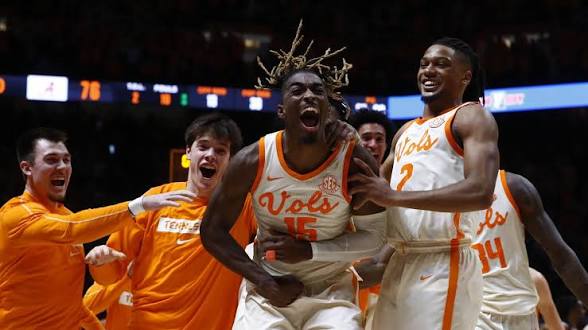
Tennessee men’s basketball players have negotiated a model collective bargaining agreement (CBA) with university leadership, becoming what is believed to be the first college team to put together a model agreement through a player-led negotiation process.
The process was facilitated by Athletes.org, an organization advocating for college athlete representation and collective bargaining.
Three Tennessee players were selected to represent the team during negotiations: graduate student Tyler Lundblade, junior Campbell Duncan and freshman DeWayne Brown II.
The group worked through multiple rounds of discussions with Tennessee athletic department leadership, including athletic director Danny White. The players subsequently brought the proposal back to their teammates for review.
What’s Included in Tennessee’s Model CBA?
The proposed agreement addresses several issues that have become increasingly complicated in the changing college sports landscape.
Among its major provisions are:
- Player compensation: A universal athletic services agreement designed to replace the current patchwork of revenue-sharing arrangements and university-affiliated NIL contracts.
- Salary structure: Proposed spending floors, salary caps and guaranteed minimum compensation for rostered players.
- Freshman pay scale: A rookie-style compensation structure that accounts for experience and development.
- Performance incentives: Additional compensation opportunities tied to postseason success, individual performance and player retention.
- Healthcare protections: Guaranteed medical coverage, including protections for injured players and extended coverage after eligibility expires.
- Transfer portal regulations: A proposed 15-day transfer window following the national championship.
- Agent regulations: Certification requirements, transparency and a proposed 5% maximum agent fee.
- Enforcement: Independent dispute resolution, anti-tampering protections and penalties for violations.
The proposal also addresses eligibility, academic support and protections for athletes whose playing careers end because of injury.
Danny White Supports Collective Bargaining
Tennessee athletic director Danny White has been among the administrators publicly advocating for collective bargaining as a potential solution to college athletics’ increasingly complicated financial structure.
White believes giving athletes a meaningful voice in decisions affecting their careers could create a more sustainable system.
The agreement is intended to provide a framework that other schools and athletic programs could study and potentially adapt.
Tennessee’s football program also participated in discussions but paused its process during the season.
Is This the Beginning of Collective Bargaining in College Sports?
Not exactly, but it could be an important step.
The Tennessee agreement is not a finalized, binding CBA, and the players have not formally initiated a unionization process.
However, the exercise demonstrates how athletes and university administrators could work together to establish rules governing compensation, player movement, healthcare and accountability.
Other college programs have explored athlete organizing and unionization, including Northwestern, Dartmouth, Stanford and Oregon State.
Tennessee’s approach is different because it has produced a detailed model agreement with the participation and support of university leadership.
If other major college programs follow this blueprint, the relationship between athletes, universities and athletic departments could look dramatically different in the coming years.
College athletes have increasingly demanded a seat at the table. Tennessee just showed what could happen when they’re invited to negotiate.