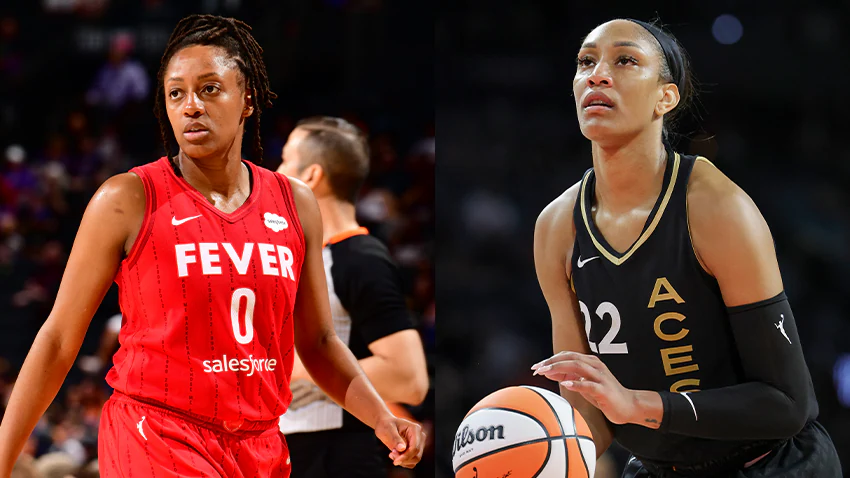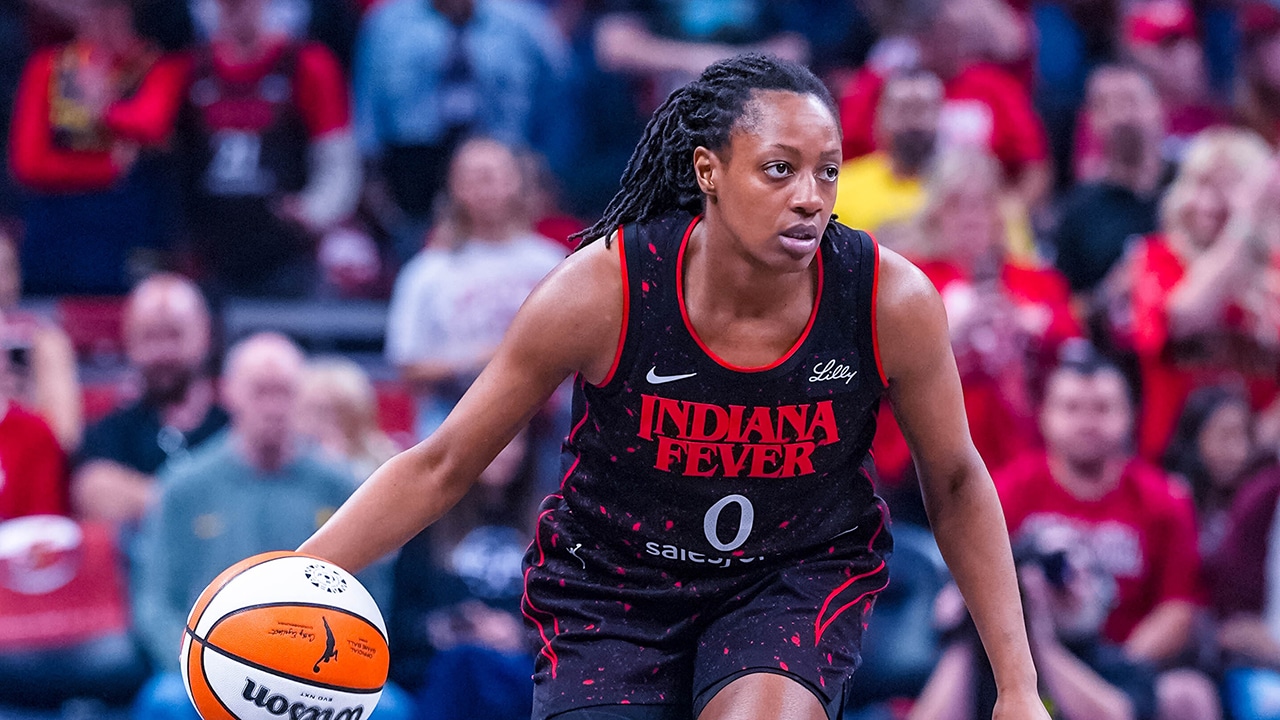

Project B co-founder Alana Beard has publicly criticized WNBA leadership over its handling of gender eligibility while confirming the startup league will adopt a different policy for its women’s competition.
Speaking about the issue, Beard said Project B will follow the eligibility framework established by the International Olympic Committee (IOC) and the International Basketball Federation (FIBA). Under those guidelines, transgender women would not be eligible to compete in Project B’s women’s league.
The announcement establishes a clear policy distinction between Project B and the WNBA at a time when eligibility standards in women’s sports continue to receive significant public attention.
Two Leagues, Two Different Policies
Although both leagues are centered on professional women’s basketball, they are taking different approaches to athlete eligibility.
Project B has stated that it will use IOC and FIBA guidance as the basis for determining eligibility for its women’s competition.
The WNBA operates under its own eligibility policies. As of now, the league has not announced that it intends to adopt the IOC/FIBA framework referenced by Beard.
That difference in governance is central to Beard’s criticism and represents one of the earliest philosophical distinctions between the two leagues.
Why IOC and FIBA Matter
The IOC no longer applies a single universal eligibility standard across every sport. Instead, it has issued a framework that allows international federations to establish sport-specific policies based on factors such as fairness, inclusion, and athlete safety.
FIBA has adopted its own eligibility regulations for international basketball competition. Project B says those regulations will serve as the foundation for its league policy.
A Growing Point of Comparison
Project B has positioned itself as an alternative professional women’s basketball league. While discussions have often centered on player compensation, scheduling, and league opportunities, governance policies are becoming another area where comparisons are emerging.
Beard’s comments indicate that eligibility standards will be one of the issues separating Project B from the WNBA as the new league continues to develop.
Whether the differing approaches ultimately influence player interest, public perception, or future policy discussions remains to be seen. For now, the two leagues have signaled different paths on one of the most closely watched issues in women’s sports.